
On March 17th, dena’s SET Tech Festival marked its 10th anniversary at Colosseum Berlin, hosting a major global gathering for energy and climate tech innovators. More than 1,000 founders, investors, corporate leaders, and policymakers attended to explore solutions for the energy transition. The event combined panel discussions, startup pitches, the SET Award ceremony, and extensive networking opportunities.
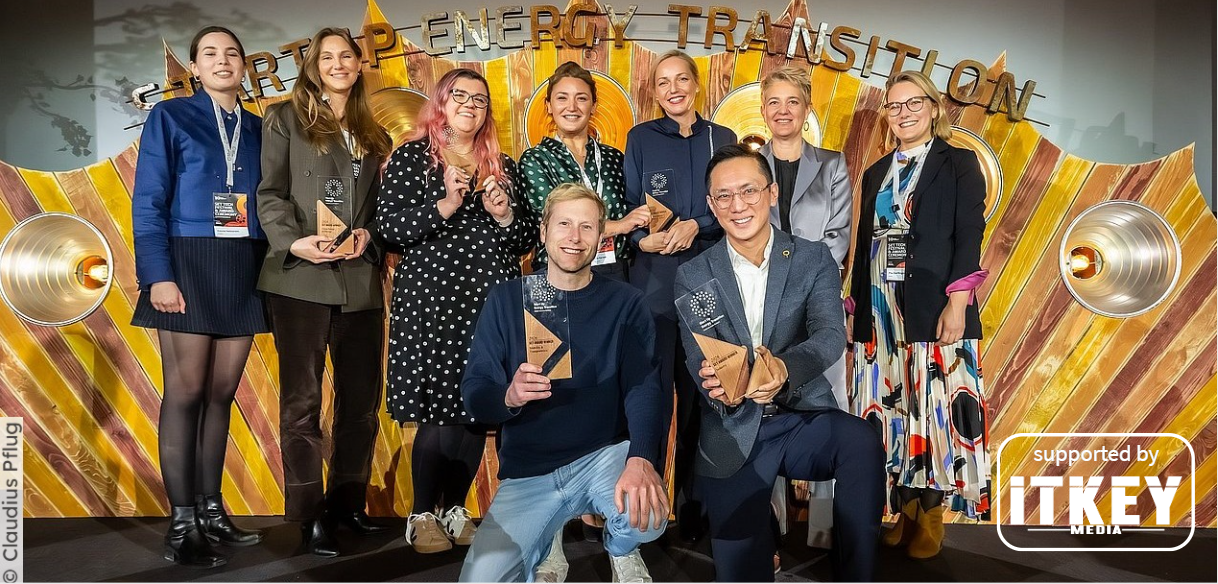
Five innovator teams from all over the world presented winning innovations across five different categories. Jan Hicl, the co-founder of the Czech sustainable enegy company Delta Green, shared his take on the winning startups.
Flower (Clean Energy & Storage, Sweden)
 Flower is enhancing grid reliability by leveraging AI to optimize renewable energy systems. The startup intelligently manages wind farms, battery storage, and other assets, ensuring efficient energy distribution. By improving predictability in green power generation, Flower helps stabilize energy networks and supports the transition toward a fossil-free future, making renewable electricity more dependable and scalable for modern energy demands.
Finmile (Mobility & Transportation, the UK)
 Finmile is transforming last-mile logistics through an AI-powered platform that optimizes delivery routes and parcel distribution. By increasing efficiency, the solution can cut fleet emissions and energy use by up to 40 percent. Designed for courier and delivery services, Finmile enables companies to adopt greener operations while maintaining speed and reliability, proving that sustainability and high-performance logistics can effectively coexist.
Cyclic Materials (Industry, Canada)
 Cyclic Materials is advancing the circular economy by recovering rare earth elements from end-of-life products at an industrial scale. Its technology delivers materials comparable in quality and cost to newly mined resources, supporting a handful of industries from EVs to defense. By reducing dependence on traditional mining, the company strengthens sustainable supply chains and addresses the growing demand for critical materials in modern technologies.
Mykor (Buildings & Construction, the UK)
 Mykor is reimagining construction materials through innovative fungal biotechnology. The company develops sustainable insulation solutions with a low carbon footprint, designed to significantly enhance building energy efficiency. By combining high performance with environmental responsibility, Mykor addresses the increasing demand for greener construction practices and offers a viable alternative to conventional, resource-intensive building materials.
BioMassters (Quality Energy Access & SDG-7, Rwanda)
 BioMassters is providing clean energy solutions by converting biomass waste into high-quality fuel pellets and distributing efficient gasification stoves. Targeting households in Rwanda, the startup replaces traditional cooking methods with safer, more sustainable alternatives. This approach not only reduces carbon emissions but also improves health outcomes and affordability, contributing to a cleaner and more energy-efficient daily life.
Jan Hicl is a Czech entrepreneur and software engineer, and co-founder of Delta Green. He previously built and scaled multiple software startups, bringing strong technical and product expertise into the energy sector. In 2022, he helped lead the transformation of a traditional renewable energy supplier into Delta Green, a software-first flexibility aggregation platform. His expertise focuses on enabling households to actively participate in energy markets and support grid stability through smart energy management.