

In my view, the most vulnerable point in today’s digital environment is the system of identification and verification. It is precisely through this layer that fraudsters are able to scale their schemes so easily: most of them are built not on technical breaches, but on the skillful creation of someone else’s “digital” identity and the exploitation of trust.
Creating an account and impersonating another person or company is relatively simple today. Fraudsters actively take advantage of this: they create fake profiles, send messages on behalf of supposedly well-known services, and construct entire chains of deception. This is not a problem of a single social media or messenger. It is a consequence of how most online interactions are structured.
When a person is unsure with whom they are communicating, any message can turn out to be dangerous. A link may be fraudulent, customer support may be fake, and a familiar contact may in fact be a bot. In such an environment, trust forms quickly, while verification is almost nonexistent.
Yet the situation can be changed by shifting the focus from reacting to incidents to proactively confirming authenticity. If users could see how reliable a sender is before any interaction takes place, the opportunities for manipulation would decrease significantly.
This is not about complicating life for users or introducing total control. Rather, it is about creating a shared mechanism for confirming legitimacy that would function across different digital environments—from messengers to online banking. Such a system doesn’t have to be centralized. A federated model is possible, where different providers verify individuals or services according to common standards. In higher-risk scenarios, such as financial transactions, this role could be performed by government eID systems or commercial identity services. The key principles should be voluntariness, data minimization, and respect for privacy.
If platforms begin to adopt common source-verification standards, the mass creation of fake accounts would become significantly more difficult and costly. Fraud would not disappear, but it would lose its simplicity and scale. Human vigilance would still matter, but technical tools could fundamentally reshape the logic of digital interaction: instead of relying on assumptions about whom to trust, users would receive a clear and verified signal. Rethinking how authenticity is confirmed online may be the step that truly curbs the scale of modern fraud schemes.
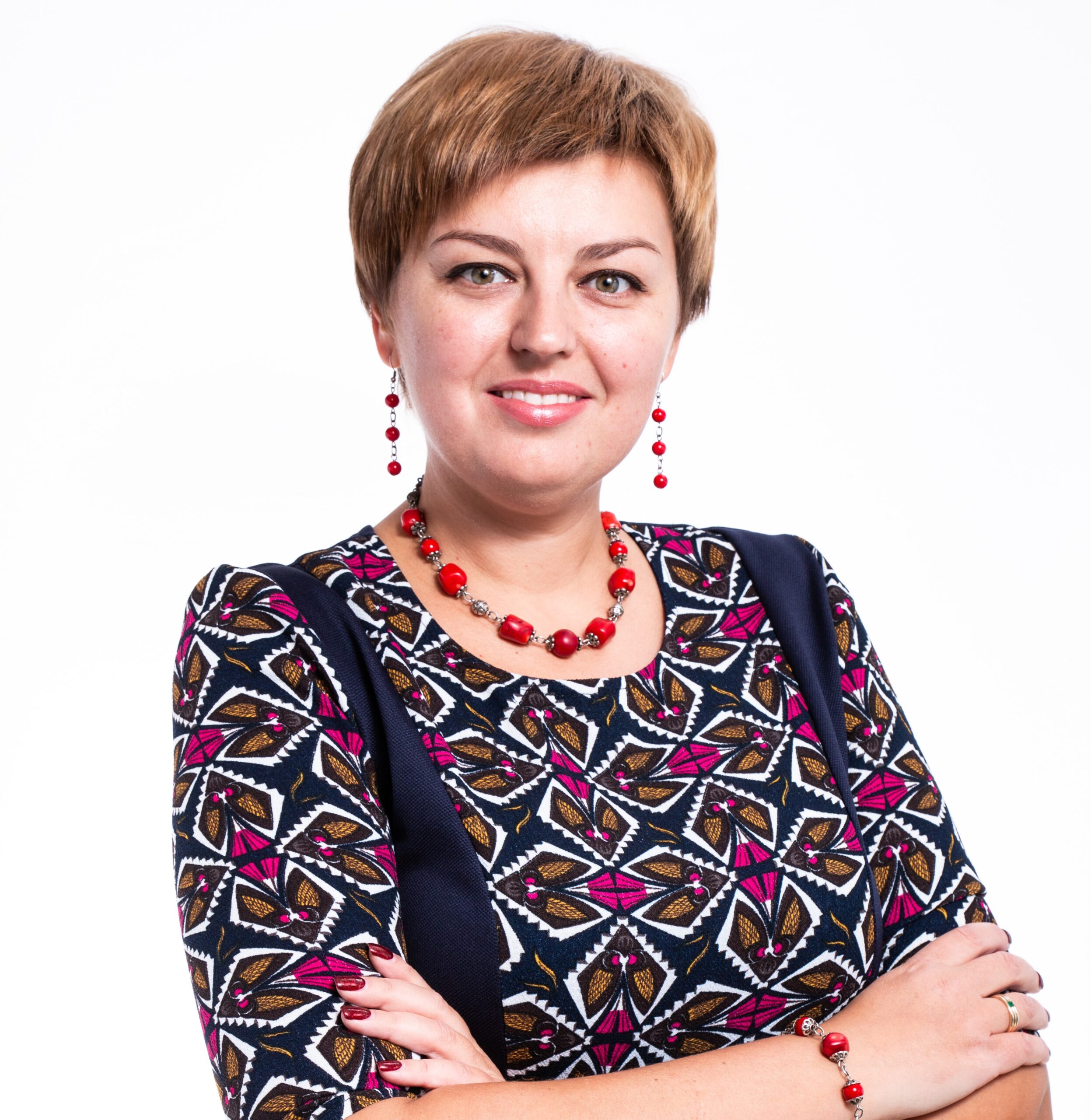
Olga is a recognized expert in IT and information security with 19 years of experience. Among other things, she specializes in information security systems design and implementation. Her profound knowledge of IT technologies and principles of building IT infrastructure put her in the position of the Chairperson of the Committee on IT and Cyber Security of the German-Ukrainian Chamber of Industry and Commerce. Olga is also the CEO of the Ukrainian IT company Silvery LLC.