


In my opinion, the Saily team presented quite an interesting research on internet connectivity. Overall, it quite well reflects part of the changes in the cyber security realm that have been ongoing in the countries of Central and Eastern Europe. The Cyber Safety methodology that they used and described takes into account the infrastructure, the capability to react to cyber incidents, and the quality of the legal and regulatory basis, so it makes sense to perceive the outcomes of their research primarily as an assessment of the state’s readiness and maturity of the national cyber security system. Correspondingly, the high positions of the countries of Central and Eastern Europe seem quite well-grounded overall.
At the same time, these metrics do not lead to conclusions about which countries are the most safe for a traveller to use the internet. This is because cyber security for a regular person often begins from quite practical issues: whether it’s safe to connect to a hotel’s Wi-Fi network, pay online for a service, or use their regular mobile banking abroad. A powerful regulatory basis creates ground for a higher level of protection, but many aspects depend on local infrastructure and safety practices.
Hence, when discussing practical online safety and cyber resilience, it’s worth to look broader – not only at the state’s capability, but also at how it’s revealed at the level of businesses and citizens. Looking at the implementation of NIS2 across EU countries, this is particularly topical, because new requirements gradually expand the accountability of the private sector. At the end of the day, the consequences of cyber risks often impact companies and users first of all: through financial loss, data leaks, service breakdowns, or limited access to critical services.
Another factor that’s worth taking into account when assessing safety and cyber resilience of countries and businesses is IT sovereignty. Simply put, it’s about how well the state and critical sectors can preserve control over their digital services, infrastructure, and tech stack under critical conditions. This is particularly crucial when there’s reliance on external suppliers or limited access to specific technologies.
It’s also important not to mix the quantity of attacks with the safety level. If a country often becomes a target of cyber ops, it does not mean that it’s less protected or less resilient. For the Baltic countries, Poland, or Ukraine, highly active attacks are in many cases connected to geopolitical context, and their real cyber resilience and safety are revealed in their ability to uncover those incidents, mitigate them, and restore services.
One might conclude that the value of Saily’s research lies in how it sets the right direction for further discussion about cyber security. At the same time, it should be interesting to dive deeper to take a look at how those state indicators correlate with the real-life experience of businesses, citizens, and travelers. This is the level where it’s easiest to see exactly how cyber security works in everyday digital life.
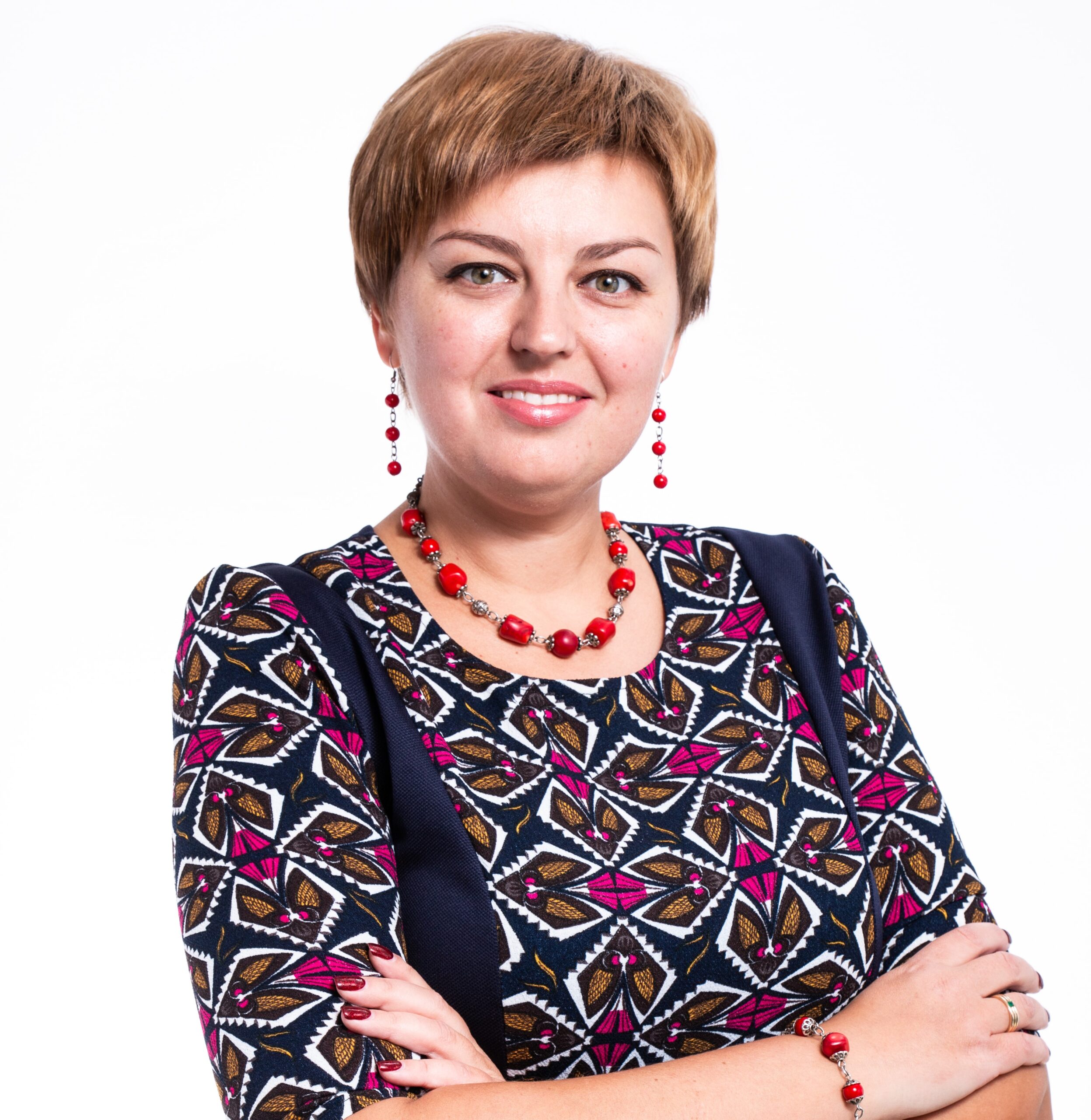
Olga is a recognized expert in IT and information security with 19 years of experience. Among other things, she specializes in information security systems design and implementation. Her profound knowledge of IT technologies and principles of building IT infrastructure put her in the position of the Chairperson of the Committee on IT and Cyber Security of the German-Ukrainian Chamber of Industry and Commerce. Olga is also the CEO of the Ukrainian IT company Silvery LLC.